We will forever be indebted to the contributions of our departed friend and colleague Flora Dunbar and the former NCAPP Board members who have supported us in our efforts and paved the way for our successes.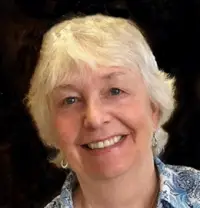
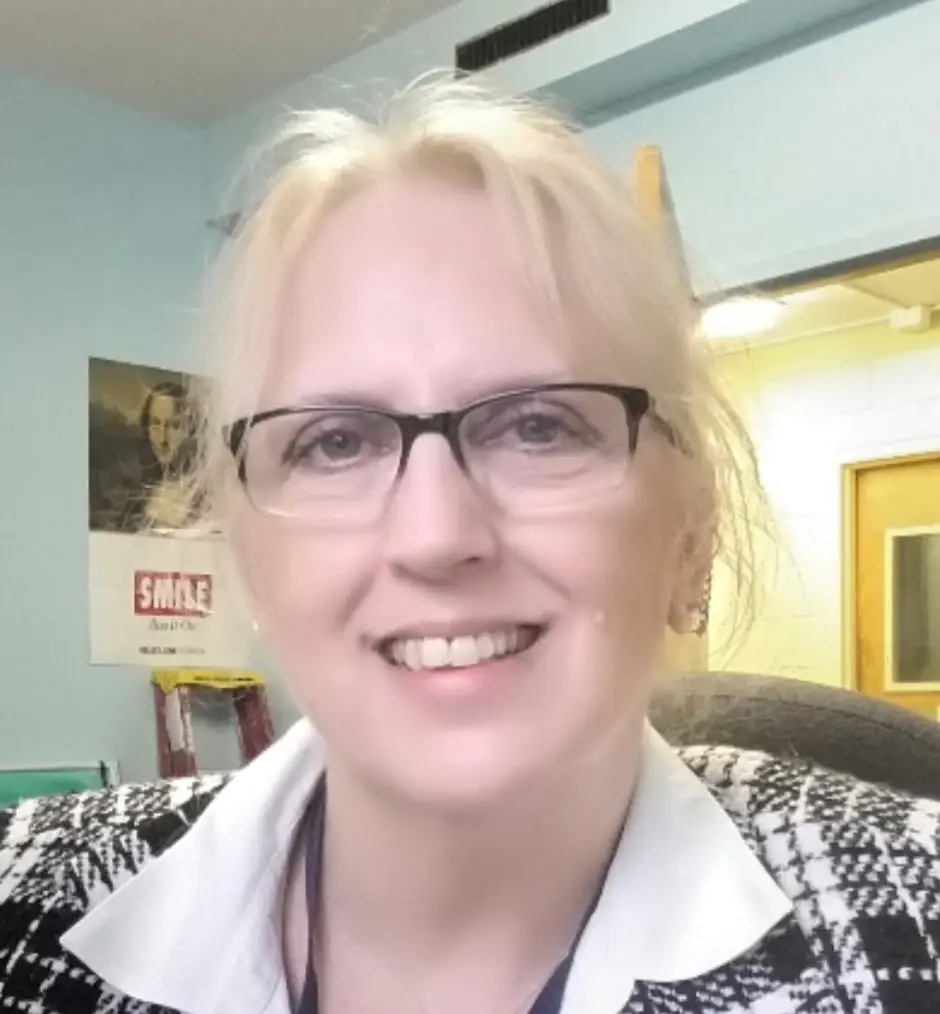
Carol E. Williams Phd, lpa, hsp-pa, bcba-d
NCAPP Co-President: Working as a psychologist, I am clinically trained to evaluate skills, strengths, preferences, and functioning, to administer tests and assessments, and to help people learn to effectively work through issues. I have worked with children and adolescents, to change and improve behavior, children and adults with developmental disabilities, and in my present position, I work primarily with children who have developmental disabilities / autism. Additionally, I have Board Certification in Behavior Analysis - doctoral, and I have attained a doctoral degree in Applied Behavioral Analysis.
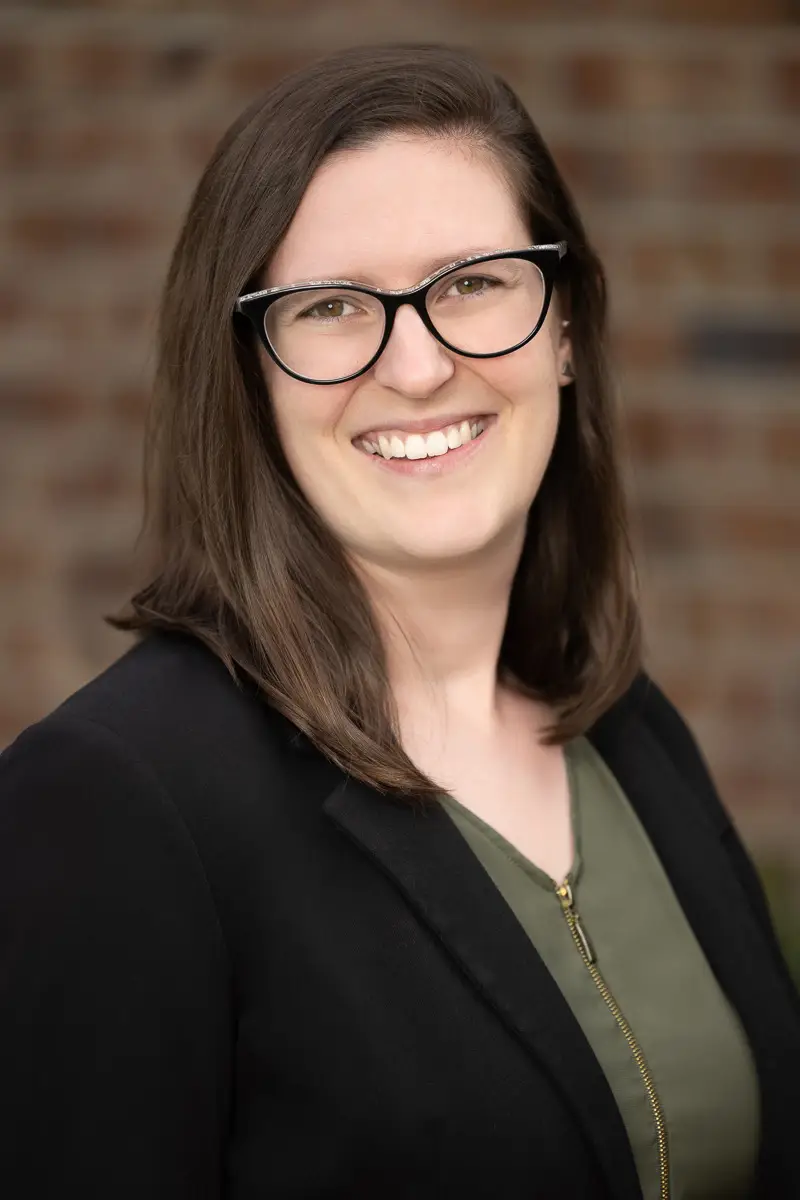
amber margaretten, ma, lpa, hsp-pa
NCAPP Treasurer: Amber attended Appalachian State and North Carolina State University for her undergraduate degree in psychology. After her undergrad, she obtained her master’s in clinical psychology from North Carolina Central University while working full time with the Department of Adult Correction. She completed her practicum at Duke University in their pain clinic providing individual and group therapy to those with chronic illnesses and pain. Amber has been in the mental health field for about nine years. Much of her work was in various correctional facilities performing individual therapy, group therapy, and psychological assessments. Recently, she ventured into private practice where she has focused on providing assessments in school systems in rural North Carolina and providing critical incident appointments to first responders. Other areas of experience include geriatrics, group home settings, and providing affirming care to diverse populations.
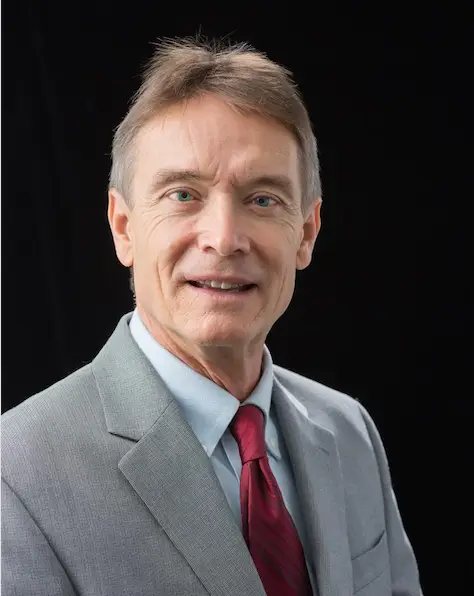
Robert hill, ph.d., lp, hsp
NCAPP Board Consultant: Bob Hill, Ph.D. has been a faculty member in the Department of Psychology at Appalachian State University since 1992. He has been actively involved in training LPA’s since then, teaching psychotherapy, ethics and assessment. He was program Director of the Master’s Clinical Psychology Graduate program at ASU for 8 years. He has a private practice and has provided professional presentations on ethics regionally and nationally. He is well acquainted with the caliber and training provided to LPA’s in NC, and has supervised a number of LPA’s over the past several decades. He has long believed that LPA’s should have a pathway to practice independently in NC. Bob Hill served on the NC Psychology Board from 2011-2020, where he supported the NCAPP petition for a rules change to accommodate independent practice. Dr. Hill plans to continue to support NCAPP’s efforts to achieve independent practice and parity with other master’s level mental health professionals who practice independently in NC.
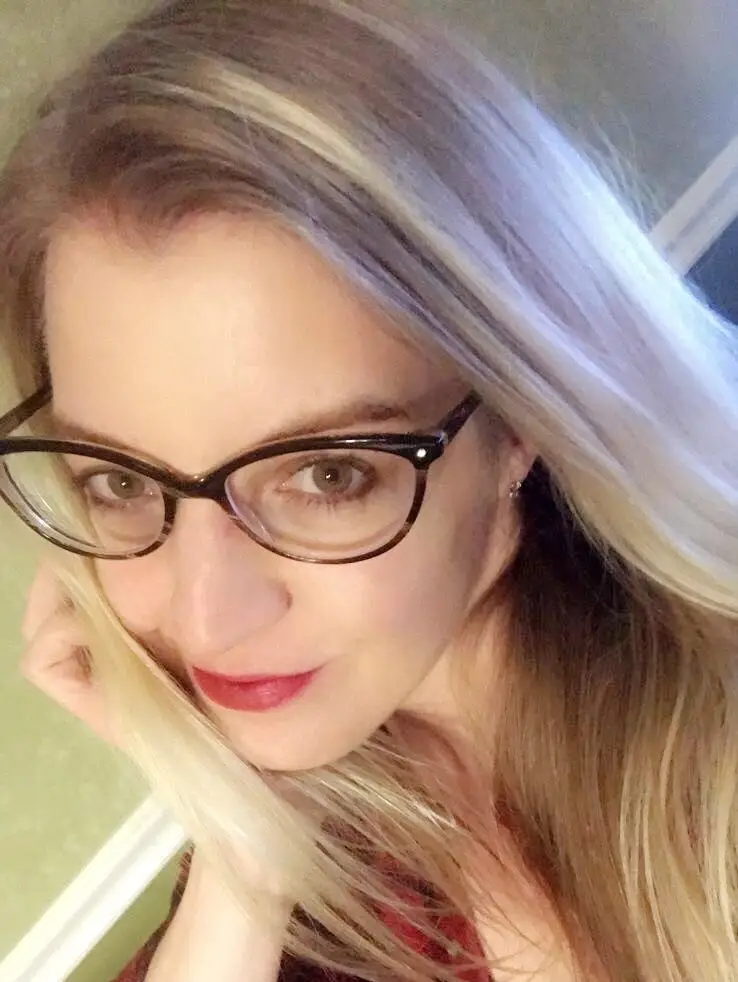
dana truman-schram ma, lpa, hsp-pa
NCAPP Co-President: I am proud to be a masters psychologist and to advocate for my psychologist peers and NC citizens’ access to extraordinary, affordable psychological services. I graduated from UNC-Charlotte in 1997 with a masters in Clinical/Community Psychology and have been practicing as an LPA ever since. I specialize in psychological and developmental evaluations. I have had the privilege of working in all types of settings including rural community mental health, juvenile corrections, a medical-home based model of care, and private practice. I have a passion for guiding people toward the treatment and support services that will help them thrive. I am also fiercely motivated in efforts to make independent licensure for LPA a reality as soon as possible and ensure that masters’ level psychologists have a voice in all arenas.
keshawna solomon, ma, lpa, hsp-pa
NCAPP Board Member.
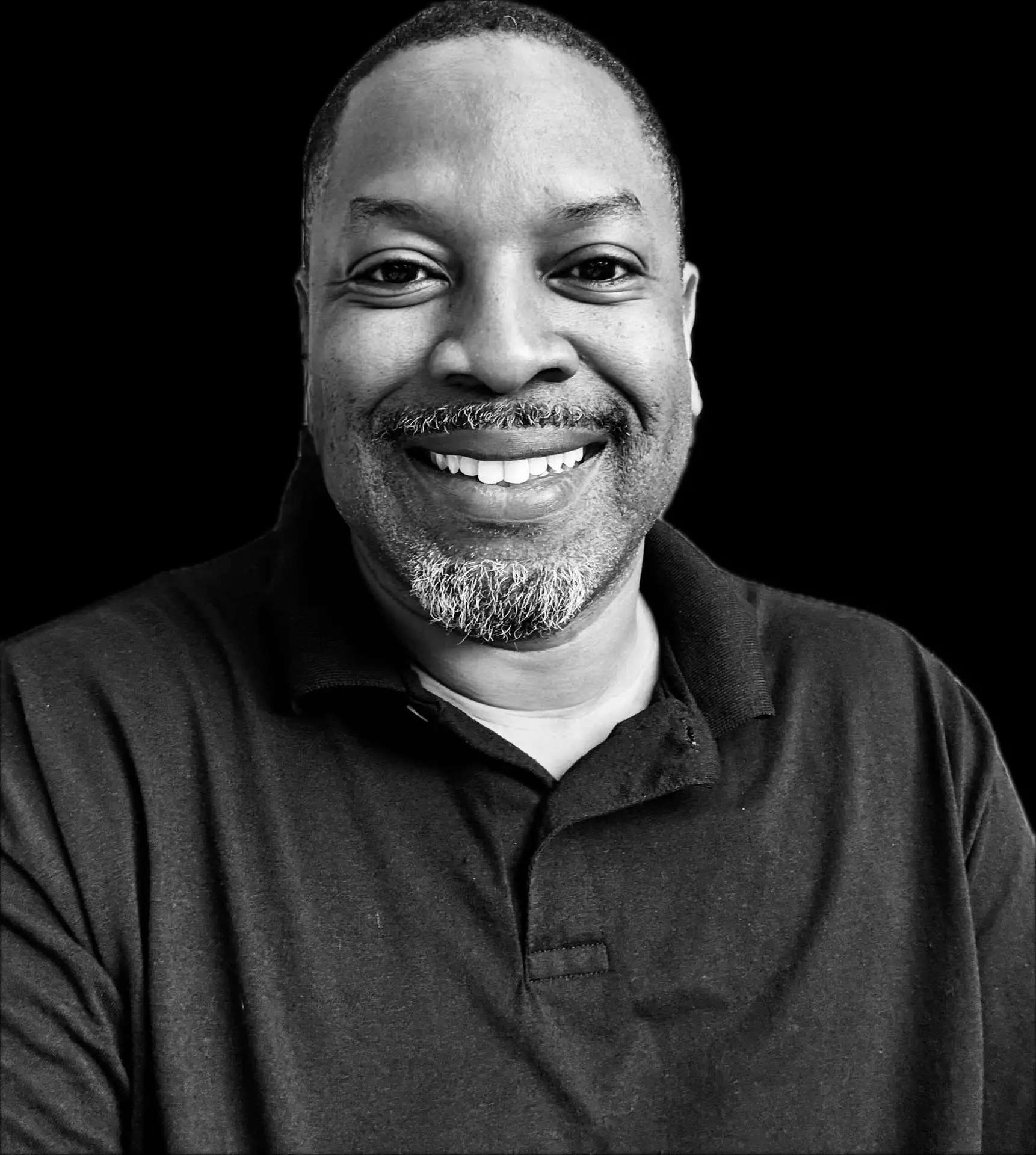
robert fields, ma, lpa, hsp-pa
NCAPP Board Member. Robert Fields, MA, is a Licensed Psychological Associate and Health Services Provider-Psychological Associate who has been providing psychological services for over 20 years. Robert received his BA in Psychology from East Carolina University and his MA in Clinical Psychology from North Carolina Central University. A dedicated, career-long public servant, Robert has provided services in developmental, juvenile justice, correctional, and medical settings. In addition, he has worked in the community with men, families, adults, teens, and emerging adults. Currently, Robert’s work has included advancing the mental health and well-being of professionals employed in high-demand occupational settings. His professional practice encompasses clinical intervention, organizational consultation, program development, and psychoeducational training with a focus on mental health interventions for staff, mental health promotion within organizations, leadership development, and staff retention. Integrating evidence-based interventions with his skills for creativity, Robert promotes sustainable wellness for individuals, communities, and within complex institutions. Robert maintains strong ties to the community as well. He advocates for mental health accessibility for those in need, mentors students and early career mental health professionals, and engages in volunteer work.
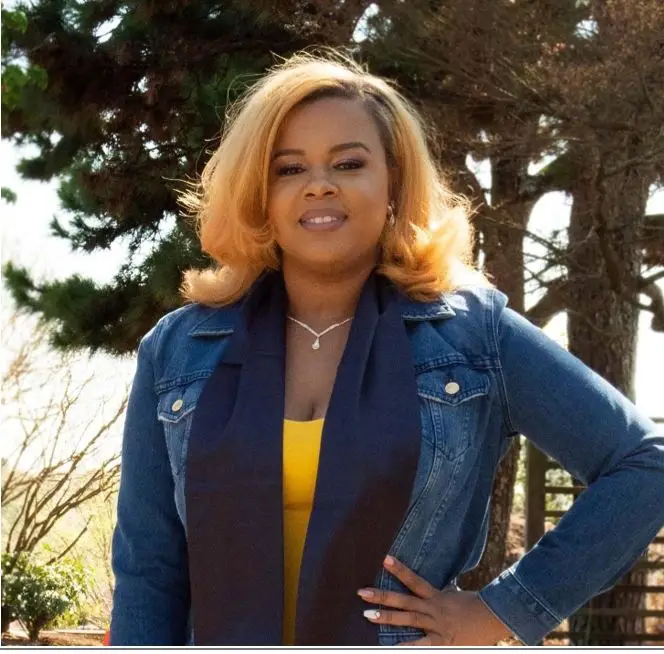
liandra wheeler, ma, lpa, hsp-pa
NCAPP Secretary: Liandra earned her Masters in Clinical Psychology from North Carolina Central University and received her Bachelors in Psychology from The University of North Carolina at Greensboro with a minor in African American studies and Classical studies. While attending graduate school she was inducted into Psi Chi international honor society in psychology. Prior to completing her masters she founded her non profit, Mental Illness Anonymous (M.I.A) with a goal of promoting a positive shift in physical, emotional, and mental health among individuals with mental illness. Weakening the stigma against mental illness in the community, Creating a sense of hope and support that will give people the courage to accept help with their illness and potentially break the cycle. She has worked in the mental health field since 2014 and has experience working with children, adolescents, and adults with diverse backgrounds and a range of concerns. Her education and professional background in both the mind and the body gives her a unique and effective approach to counseling. She will work to provide clients with tailored treatment plans that can be integrated into their daily lives.
janet heuring-larsen, ma, lpa, hsp-pa, lcas
NCAPP Board Member: My family psychology practice is committed to delivering outstanding customer service and clinical care. I have been serving children, adolescents, adults, couples, and families with mental health and relationship issues for over ten years. I am experienced in treating an array of issues including anxiety, panic attacks, PTSD, depression, anger, insomnia, ADD/ADHD, chronic pain, substance use issues/addiction and more. I also enjoy working with children, teens, parents, and couples to improve their relationships.
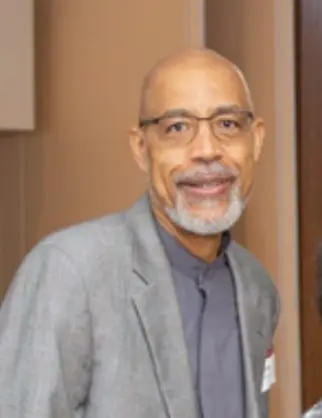
Vinston Goldman, Ph.D., LP
Les Brinson, Ph.D., LP
NCAPP Board Member
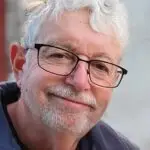
Thomas Thompson, Ph.D., Retired LP
NCAPP Board Consultant: Thomas J. Thompson, Ph.D. was a licensed psychologist specializing in Applied Behavior Analysis with more than 45 years of experience working with clients with intellectual disabilities and autism. He received his doctorate in Psychology from the University of Illinois-Chicago in 1988, and his Master’s in Psychology from Western Michigan University in 1979. Dr. Thompson retired as the Director of Psychology Services at the Murdoch Developmental Center in 2018. He then worked as a clinician co-owner of BIP -Behavior Intervention Professionals in Hillsborough, NC, and a consultant with Butterfly Effects, LLC., a national leader in ASD treatment. He served 9 years on the North Carolina Psychology Board, the last three years as Chair. He was a past-president of NCABA and has given 24 presentations in 13 previous conferences.